
Position your brand through storytelling

The origins of my storytelling
Among the most eagerly awaited moments of the year was undoubtedly the story of the school trip. It was the late 1980s and, at the time, I was attending a business studies school, the G.M. Angioy Technical Commercial Institute in Carbonia.
Among the subjects we studied there was still typing class; computers were something you only saw in America, and none of us really understood what they were all about. Let alone the internet.
Back then, people wrote with a typewriter or, like me, with a pen (preferably a black BIC). From that pen came densely written pages — for reasons I can no longer remember — filled with stories that every student wanted to read before anyone else. They told of our adventures as naïve young people discovering the world, clumsy attempts at romantic conquest, or pranks played on the unfortunate person who happened to be the target. Pranks that today would more commonly be described as bullying episodes, but at the time we simply did not see them that way.
My desire to write stories was born precisely from recounting those carefree moments, much more than from Italian lessons or essays about poets who were regularly cursed simply for having been born.

The boss, dott. Saliu, storyteller
I have always loved writing these ironic, entertaining stories, capable of allowing people to identify with the characters who experienced them. Transforming an ordinary event into something extraordinary, without changing its underlying meaning, so that those who were part of it can recognise the story, embrace it and make it their own, passing it on to others through storytelling, sharing and memory. This is exactly what storytelling is about: transforming real stories, which may seem uninteresting to tell, into believable narratives capable of capturing the hearts of those who read or listen to them.
Among the subjects we studied there was still typing class; computers were something you only saw in America, and none of us really understood what they were all about. Let alone the internet.
Storytelling creates connections
badges
Positioning through storytelling
A brand’s positioning can be achieved through different strategies, for example by highlighting a product’s technical features or the distinctive benefits of a service. This approach, which I would describe as “cold” or rational, focuses on objective elements such as functionality, performance or competitive pricing.
Personally, I prefer an approach that is able to create emotional connections between a brand and its audience. It is no longer about seeing the customer as a simple consumer interested only in an unbeatable offer or practical benefits,
but as a human being who chooses to become part of the story of a brand they perceive as their own — a brand they identify with and share values and aspirations with.
Thanks to this warmer and more human form of communication, the product or service is no longer the ultimate goal of the purchasing experience. Instead, it becomes a means to embark on an emotional journey of discovery and shared values.
Positioning
1. CREDIBILITY PACT
1. CREDIBILITY PACT
Stories, by their very nature, have a strong emotional impact. Choosing how to tell a brand’s story means making a pact with the audience: the narrative must be “credible”, even when it appears “incredible”. This pact requires the company to consistently uphold the promise it has made over time. Breaking that trust can result in a loss of credibility, often irreparable or extremely difficult to rebuild.
For this very reason, storytelling represents one of the most delicate stages of a communication plan.


Writing does not meanknowing how to write
What truly sets one communication agency apart from another is not technical expertise, the address on a business card or the number of people working there; it is creative ability. Creativity inspires unique, tellable and memorable stories. When they are conceived, written and told with passion, they can become unforgettable, leaving a lasting mark on people’s minds and hearts.
2. FROM THE TRUE TO THE PLAUSIBLE
2. FROM THE TRUE TO THE PLAUSIBLE

Storytelling is based on the creation of believable stories, capable of presenting a brand in a new and engaging way. “Believable” stories are not necessarily true: an authentic narrative does not have to reflect real events, as these may sometimes be less interesting or distinctive. My role as a storyteller is to gather information, interpret stories and identify the values that make a brand unique.
This process requires time and an in-depth understanding of the company, gained through careful listening to the people who are part of it. It is essential to understand emotions and aspirations in order to identify the most meaningful brand values to share.
It is a process of research and discovery, a journey that reveals its secrets to those who have the ability, sensitivity and experience needed to ask the right questions, in the right way, to the right people.
3. Stand out to make your mark
3. Stand out to make your mark
In an increasingly saturated market, standing out is essential. But how can this be achieved? By telling your own story, which is always unique, even when it addresses the same themes as competitors; no two stories are ever identical. Even younger companies can identify distinctive elements on which to build their own narrative: the founders’ journey, the social environment or the territory in which they operate.
The ability to analyse, identify and define the pillars of corporate storytelling is one of SEDPLUS’s key strengths, having contributed to the creation of the narratives behind many successful companies.
To be effective, a narrative must be perceived as authentic: not necessarily factual, but realistic, even when it is imaginative. To become a powerful differentiation tool, high-quality storytelling must be communicated consistently, continuously and engagingly across all company channels: from the brand identity to the visual identity system, from advertising to social media, and beyond.

Portfolio
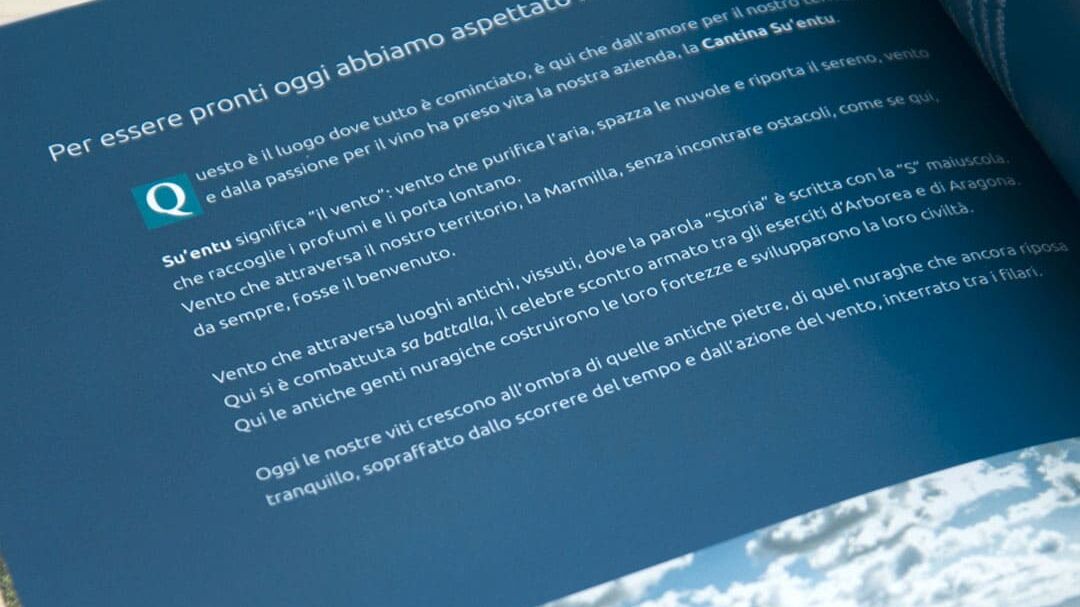
Our portfolio brings together a selection of projects developed over time, each with a storytelling approach designed to enhance its unique identity. Behind every outcome lies a collaborative process, where different skills and perspectives come together to shape effective and coherent solutions.